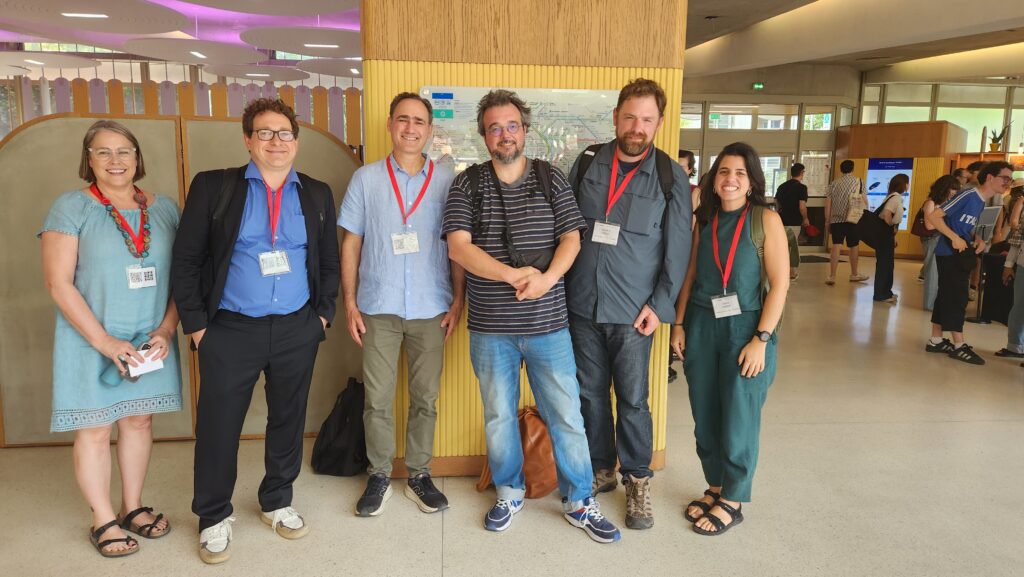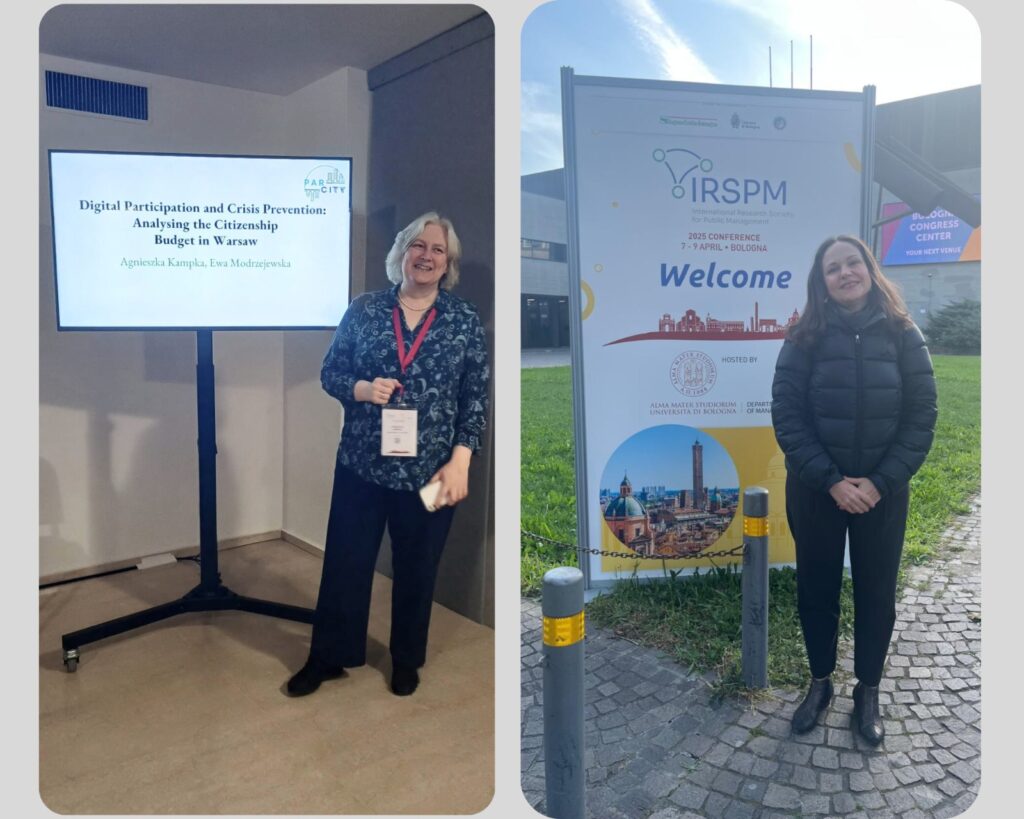
PAR-CITY researchers have recently presented emerging findings from the project at two major international academic conferences, sharing ongoing work on urban participation, democracy, power and trust with wider scholarly communities in London and Buenos Aires.
PAR-CITY at the RGS-IBG Annual International Conference 2026
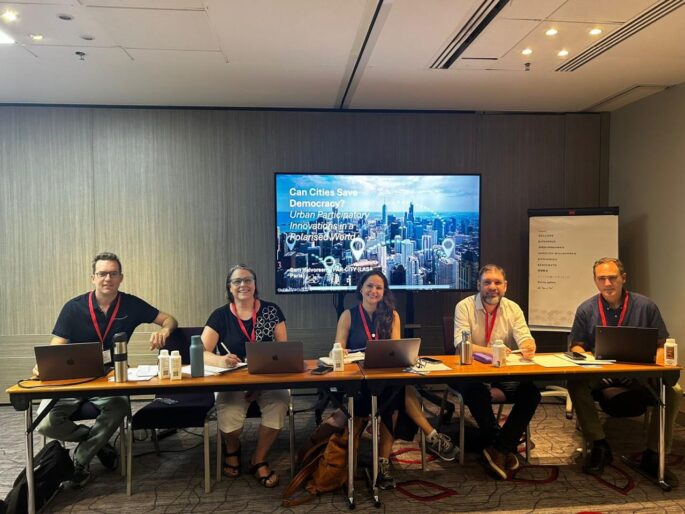
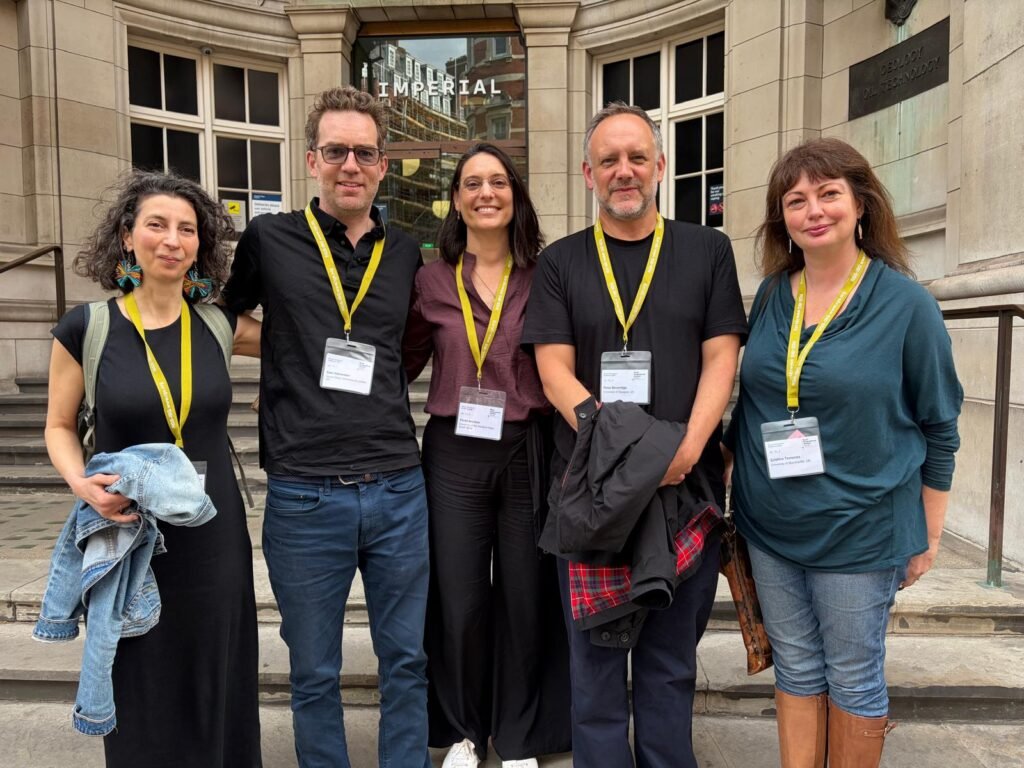
PAR-CITY was represented at the Royal Geographical Society (with IBG) Annual International Conference 2026, held in London from 2–4 September, through the session “Participation in the City: How Urban Participatory Innovations Are Reshaping Power and Democracy.”
The session brought together PAR-CITY researchers Sam Halvorsen, Ross Beveridge, Cristina Temenos, Anna Selmeczi and Boitumelo Papane, providing an opportunity to present and discuss emerging research from across the project’s different cities and comparative strands.
As part of the session, Sam Halvorsen presented “Cities as Saviours of Democracy and Trust?”, drawing on PAR-CITY’s ongoing comparative research to explore the potential of cities and urban participatory innovations to respond to contemporary challenges facing democracy and political trust.
The panel offered an important space for exchanging findings and perspectives across the international PAR-CITY team and for bringing the project’s developing empirical and conceptual work into conversation with broader debates in urban geography on participation, power, democracy and trust.
PAR-CITY at ALACIP 2026
Earlier in the year, Rocío Annunziata (CONICET–UNSAM) presented findings from PAR-CITY’s Buenos Aires research at the XIII Latin American Congress of Political Science (ALACIP), held at Universidad Torcuato Di Tella in Buenos Aires from 21–24 July. Her paper, “A Closed Ecosystem? Participation and Trust in the Open Government Co-Creation Process in Buenos Aires,” examined participation and trust in the co-creation process of Buenos Aires’ latest Open Government Action Plan.
The study explores both the potential of these processes for building trust and the limits posed by restricted participation and relatively closed networks of actors.
Together, these conference presentations mark a further step in the circulation and discussion of PAR-CITY’s emerging research across different disciplinary and geographical contexts.